
How to Avoid High-Interest Debt: Expert Tips from Reeleeve


Understanding High-Interest Debt
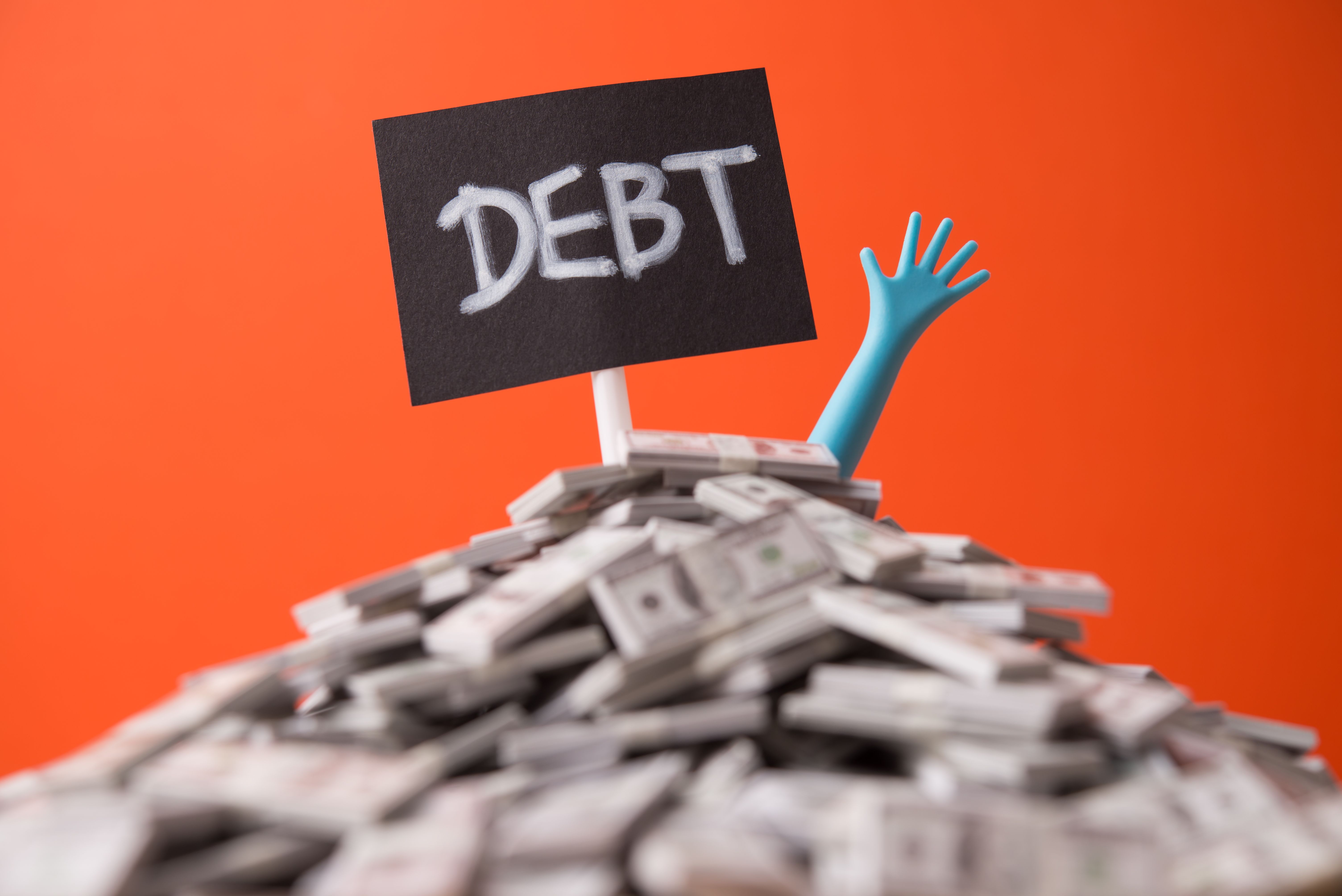
High-interest debt can quickly become a financial burden if not managed carefully. Typically associated with credit cards, payday loans, and other short-term borrowing options, this type of debt can lead to escalating payments and financial stress. Understanding the nature of high-interest debt is the first step towards avoiding it.
Identify and Prioritize Your Debts
Begin by identifying all your existing debts and categorizing them by interest rate. Knowing which debts carry the highest interest can help you prioritize payments more effectively. Focus on paying off high-interest debts first to minimize the amount you pay over time. This strategy is often referred to as the “avalanche method.”
Consider Debt Consolidation
Debt consolidation can be an effective way to manage multiple high-interest debts. By consolidating your debts into a single loan with a lower interest rate, you can streamline payments and potentially reduce your overall interest costs. However, ensure that the terms of the consolidated loan are favorable before proceeding.

Build a Solid Budget
Creating a detailed budget is crucial in avoiding high-interest debt. A well-structured budget helps you track income and expenses, allowing you to allocate funds towards debt repayment and savings. Stick to your budget consistently to avoid unnecessary spending.
Emergency Fund is Key
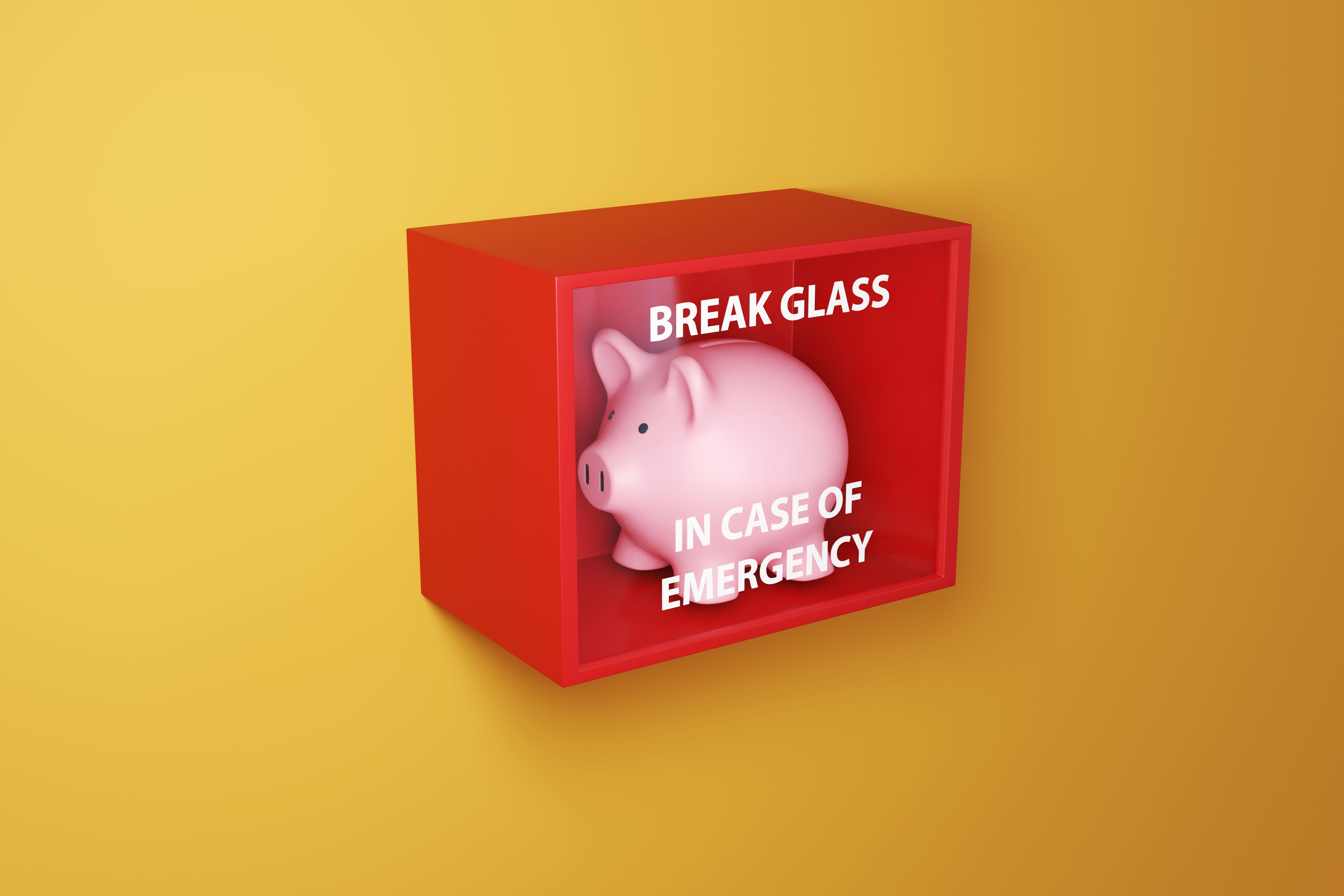
Establishing an emergency fund can provide a financial cushion and prevent the need for high-interest borrowing. Aim to save at least three to six months' worth of living expenses. This fund will help you handle unexpected expenses without resorting to high-interest loans.
Seek Professional Financial Advice
Engaging with a financial advisor can offer personalized strategies to avoid high-interest debt. Advisors can provide insights into debt management, budgeting, and investment opportunities that align with your financial goals.
Utilize Financial Education Resources
Educating yourself about personal finance is a powerful tool in avoiding high-interest debt. Numerous online courses, workshops, and seminars can provide valuable knowledge on managing money effectively. Continuous learning can empower you to make informed financial decisions.

Adopt Smart Spending Habits
Developing smart spending habits can significantly reduce your reliance on high-interest debt. Practice mindful spending, differentiate between needs and wants, and avoid impulse purchases. Over time, these habits can lead to substantial financial savings.
Consider Alternative Financing Options
Before opting for high-interest loans, explore alternative financing options such as personal loans from credit unions or low-interest credit cards. These alternatives often offer more favorable terms and can help you manage debt more effectively.
By following these expert tips from Reeleeve, you can take proactive steps to avoid high-interest debt and secure a healthier financial future. Implementing these strategies will not only help you manage existing debts but also prevent future financial pitfalls.